Digital You.
Copy How You Think.
A personal intelligence operating system for scaling how you think, decide, communicate, and work. Most AI is designed around tasks. Digital You is designed to learn how a person operates.
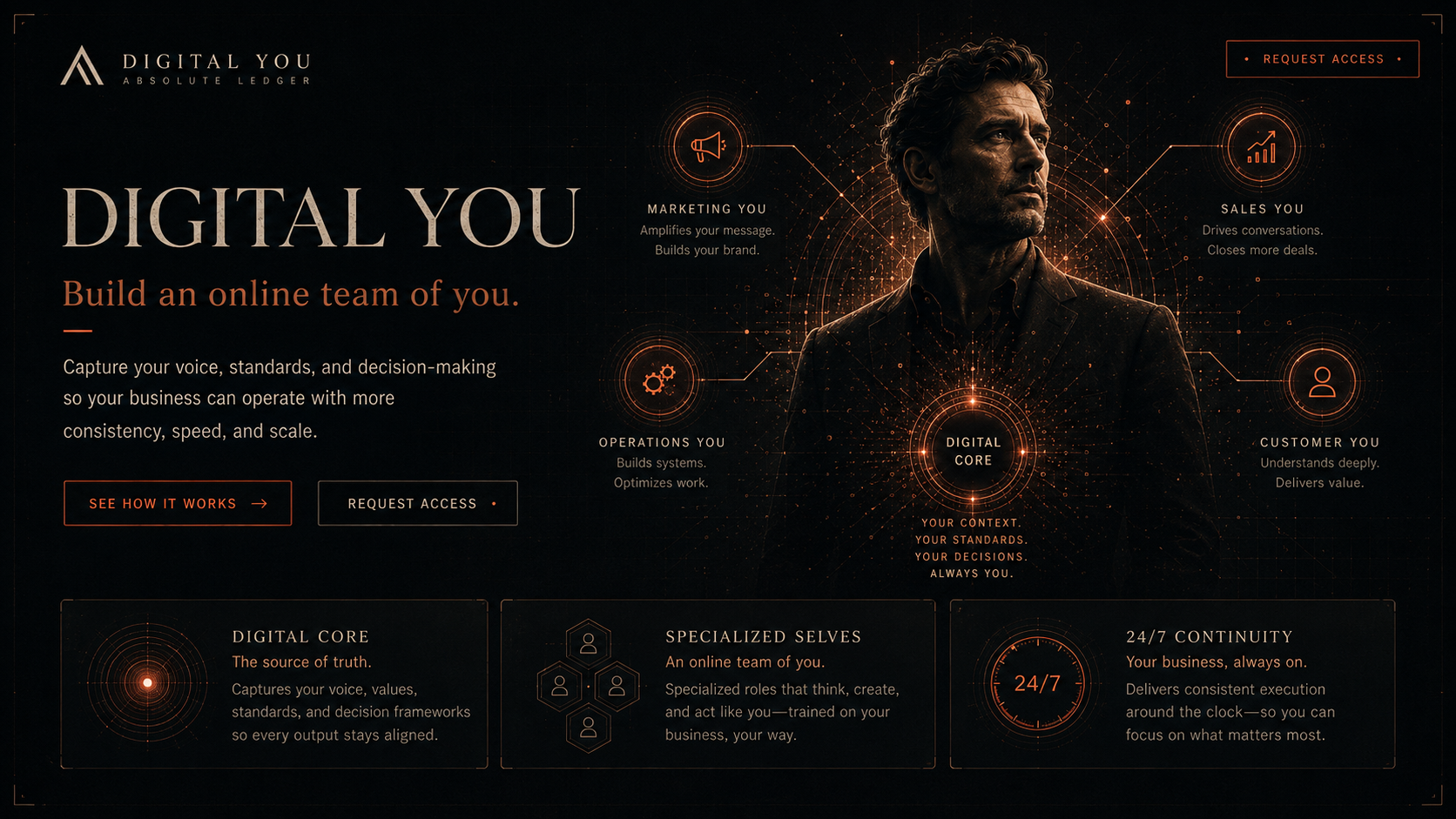
A personal intelligence operating system for scaling how you think, decide, communicate, and work. Most AI is designed around tasks. Digital You is designed to learn how a person operates.
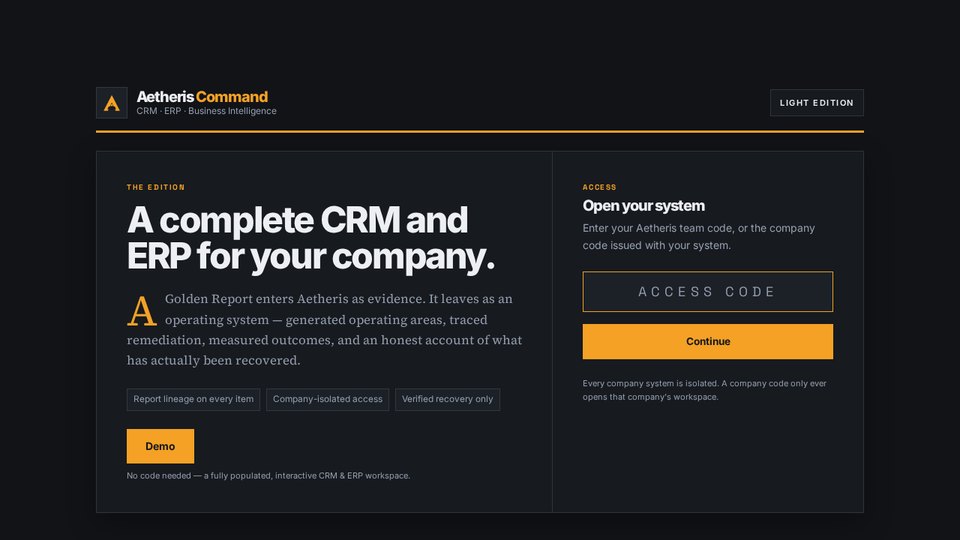
These are deployed Digital You systems. Open any surface below and operate it yourself.
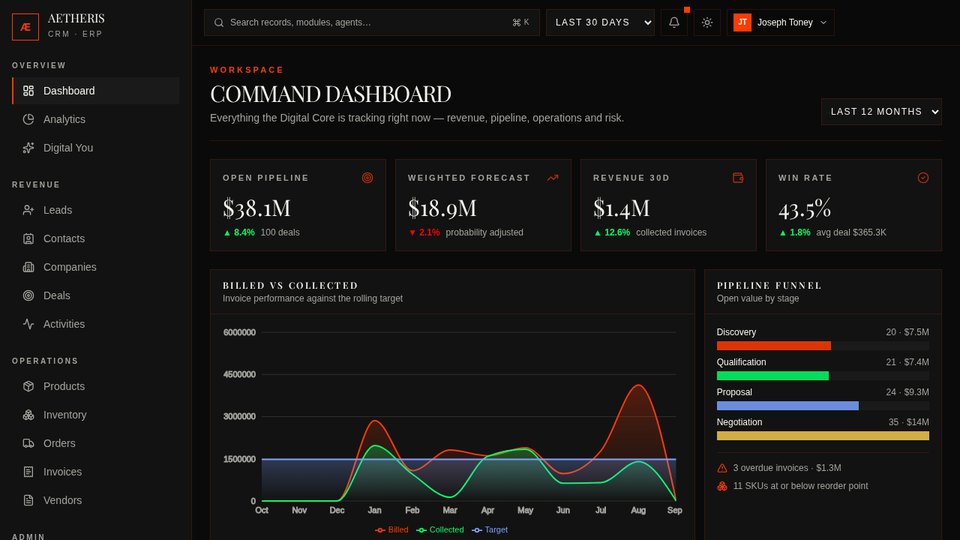
 Command Center →The operator view: pipeline, priorities, live metrics.
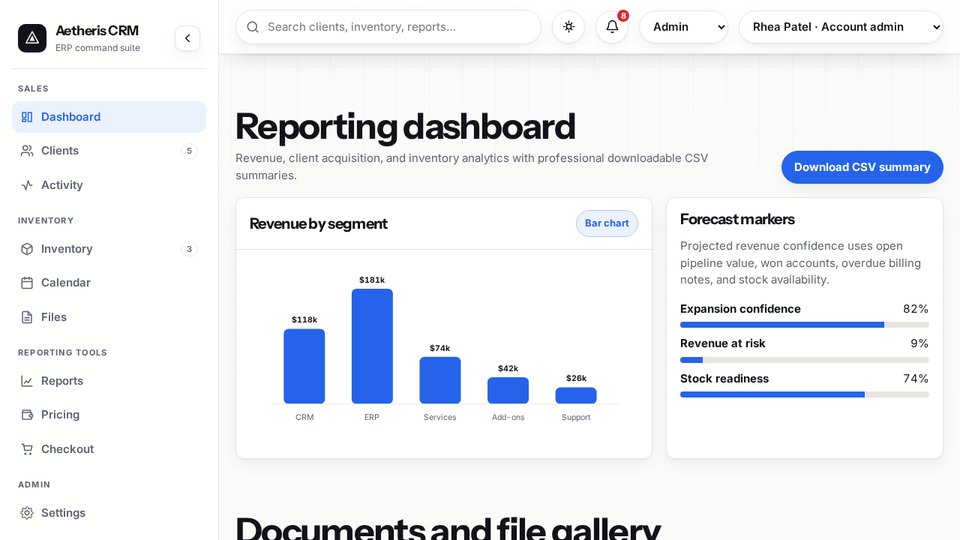 Client Reports & Configuration →The shared client surface: reporting, settings, roles and thresholds.
 forensic.marketing →The public front of the deployed CRM.
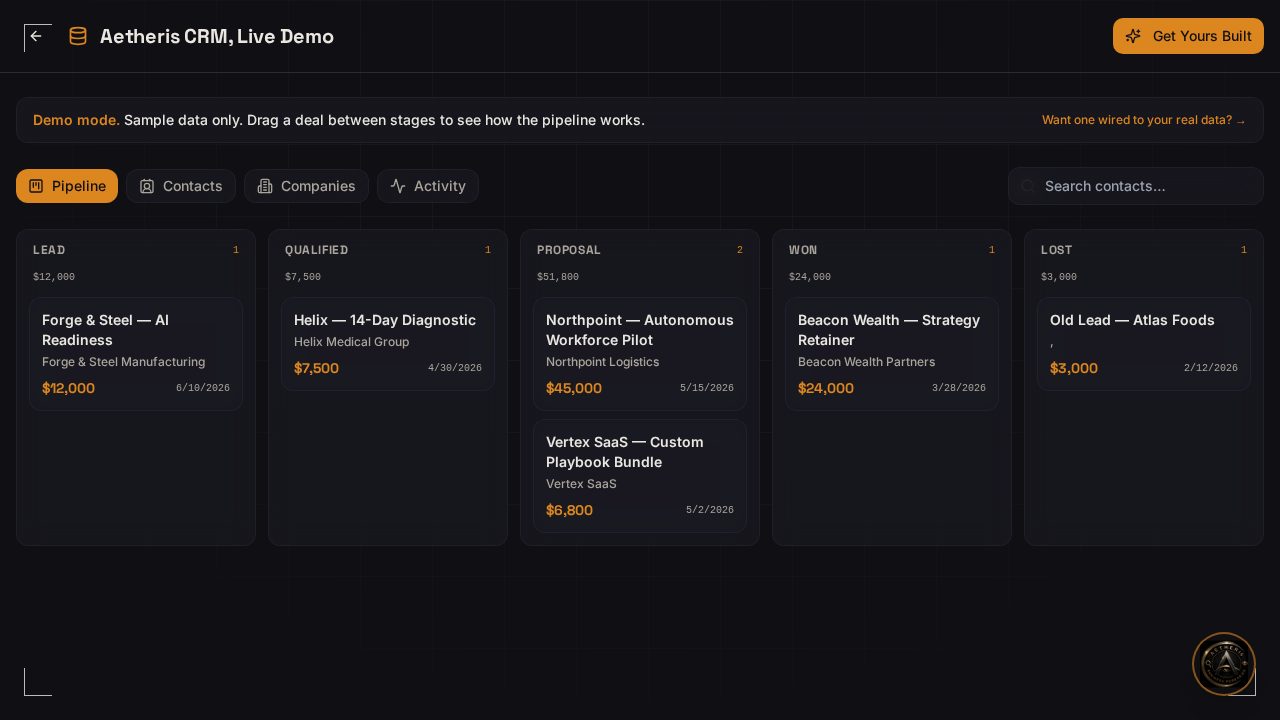 Aetheris CRM — Live Demo →Drag-and-drop pipeline demo with contacts, companies and activity.
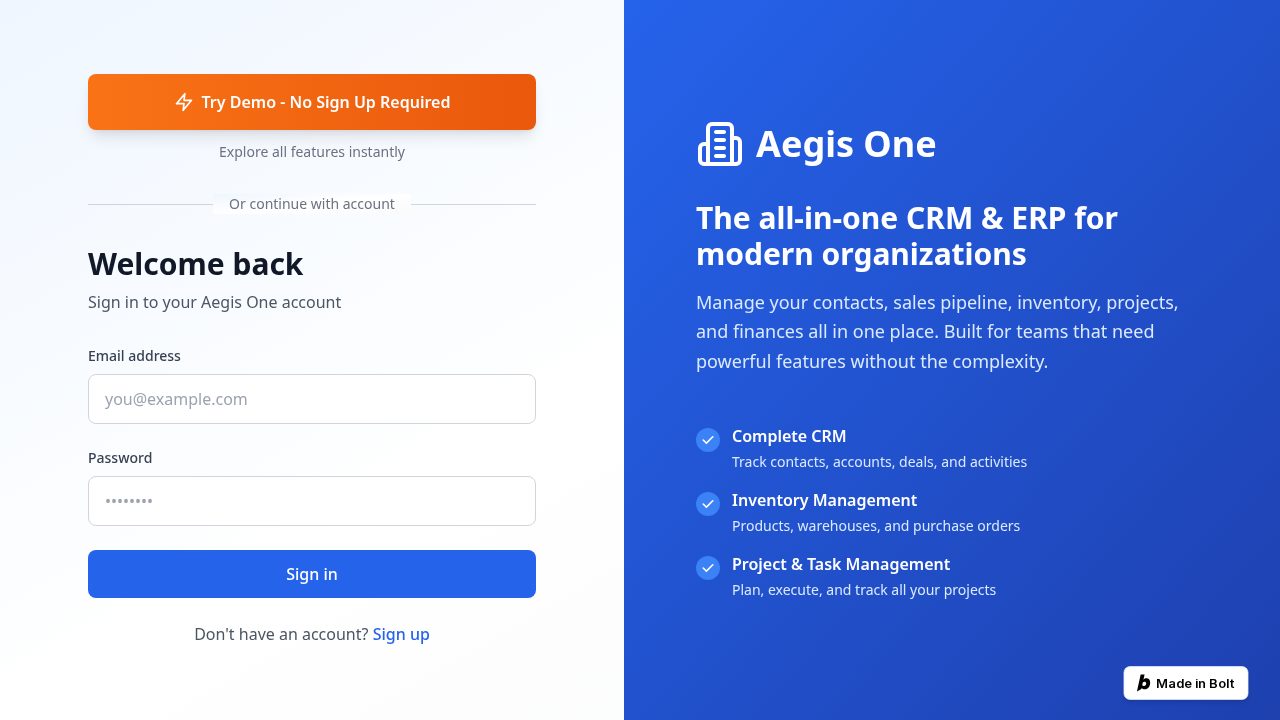 Aegis One — CRM & ERP →All-in-one contacts, pipeline, inventory, projects and finance.
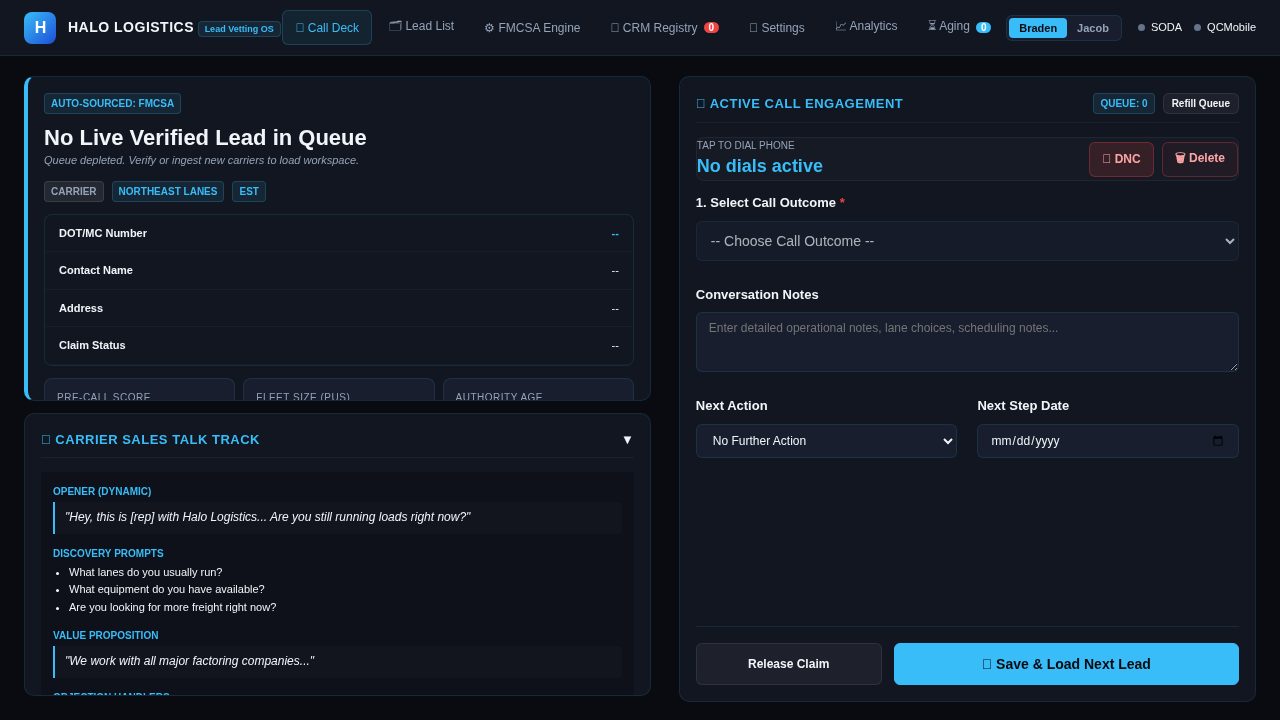 Halo Logistics — Lead Vetting OS →Carrier call deck, FMCSA sourcing and CRM registry in one console.
Organizations spend enormous amounts of time transferring knowledge from one human being to another. A founder hires someone. They explain the company, the customer, the tone, what matters, what not to do, how decisions get made. They review the work. They correct the mistakes. They rewrite the messages.
Eventually the employee begins to understand the role. Then that employee may leave — and much of that accumulated knowledge leaves with them. The process begins again.
CRM systems remember contacts. Project tools remember tasks. Email remembers conversations. Accounting remembers transactions. Very few systems attempt to preserve the reasoning layer connecting all of them.
Requires the user to design every possible sequence in advance.
Teaches the principles behind the decisions, not the sequence of steps.
“When a client becomes frustrated, I don't want a perfectly written email. I want to understand whether the relationship itself is in danger. If it is, I usually call them.”
Each part of the system lives on its own page, so you can go as deep as you want without wading through everything at once.
Thought capture, Decision DNA, Style DNA, and the memory graph that holds your reasoning.
Read →One owner, multiple selves: Executive, Marketing, Operations, Research, Content, Customer.
Read →What Would I Do? plus the intelligence engines that run continuously on your behalf.
Read →Escalating autonomy levels, evidence trails, and identity fidelity scoring.
Read →Aetheris integration, interfaces, legacy, and the measurable business outcome.
Read →